

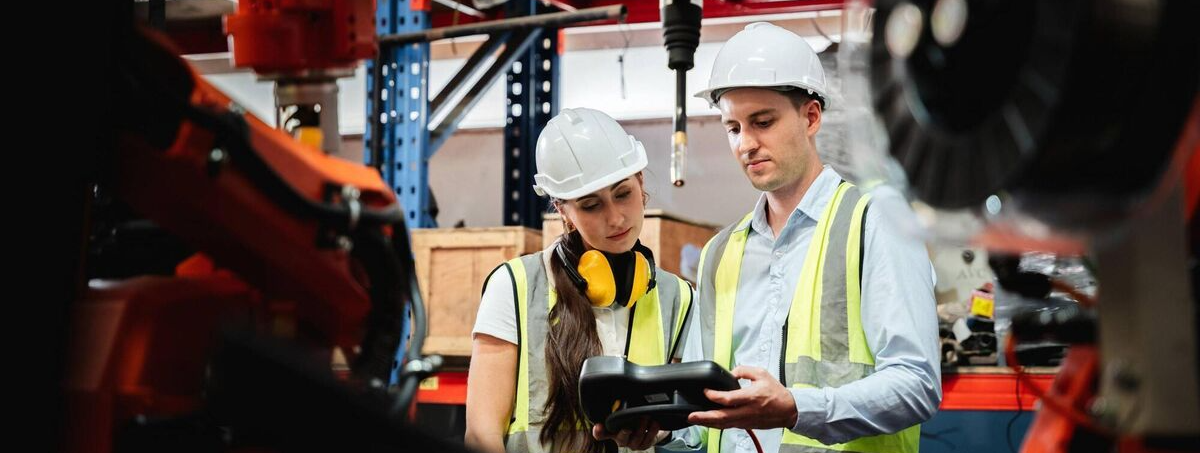
Ireland’s manufacturing sector recorded a solid improvement in operating conditions in November, driven by a strong rise in new orders and a renewed increase in export sales. The latest AIB Manufacturing PMI rose to 52.8, up from 50.9 in October, marking the fastest expansion since early 2025 and outpacing flash readings for the Eurozone, UK and US.
After months of uncertainty linked to tariff concerns under the Trump administration, business confidence climbed to an 11-month high. Export orders returned to growth for the first time since mid-year, with 22 percent of firms reporting higher overseas demand. Although the overall increase was modest, it was the quickest since March and provided crucial support to output.
Production expanded again in November on the back of stronger demand. However, hiring showed clear signs of cooling. Employment growth slowed to near-stagnation, the weakest in the current 12-month upturn, as manufacturers broadly halted new recruitment.
Capacity pressures resurfaced, with backlogs of work rising at the fastest pace since February. Firms cited higher order inflows and increasing congestion in transport networks, which also contributed to the most pronounced delivery delays in three years.
Purchasing activity remained in expansion territory, though growth moderated. Cost pressures intensified as input prices rose more quickly than in October, reflecting higher raw material costs. While companies faced sharper inflation, most were cautious about passing these increases on to clients.
Despite these challenges, sentiment strengthened. Manufacturers expressed the most positive outlook in nearly a year, linking optimism to improving sales and expectations of new contracts in 2026.
The AIB Manufacturing PMI continues to serve as a key indicator of Ireland’s industrial momentum across global economic cycles.
Read the full article to know more how manufacturing strengthens exports lift in November PMI.





.png)
