

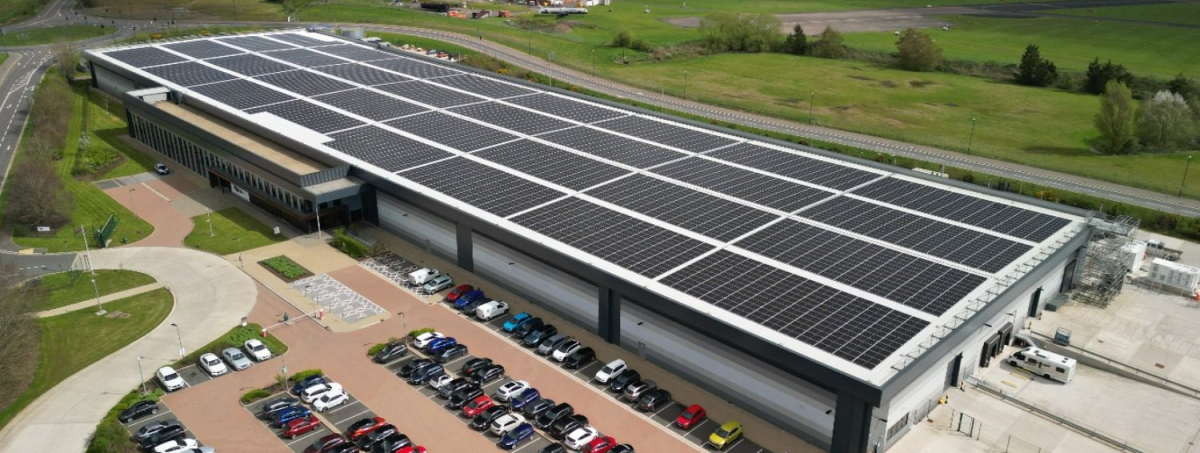
Graphene Manufacturing Group has signed an initial service agreement with the UK Battery Industrialisation Centre in Coventry to manufacture its G-Cells graphene aluminium-ion battery cells, as announced by the company on 19 November, according to Battery-News, giving battery developers a UK route from materials to formed cells without building their own plant.
Battery-News reported that GMG will develop and supply the battery materials from its Brisbane Battery Development Centre, UKBIC will make and form the cells starting with pouch cells, with larger formats expected, and GMG pays for the services and retains all intellectual property.
Batteries International reported that GMG will keep making cells with the Battery Innovation Center of Indiana, and that production across Australia, the US and the UK should raise capacity and bring sample cells closer to European and UK customers.
Battery-News noted the release names no production volumes or schedule, and that GMG reported energy density of 58 Wh/kg at a one-hour charge in December 2025.
Graphene Manufacturing Group is an Australian graphene producer developing graphene aluminium-ion battery cells, according to Battery-News, and UKBIC is the UK's national battery manufacturing development facility, which electrive reported was co-funded by the Faraday Battery Challenge and West Midlands Combined Authority.
Bob Galyen, GMG director and former CTO of CATL, said in the release, as carried by Batteries International, that moving to larger cell formats is where many battery technologies are truly tested and is the right next step for G-Cells.
The agreement reflects battery developers using national pilot facilities to scale cells before committing plant capital, with TradingView reporting GMG saying UKBIC equipment lets it defer large-format manufacturing capex.
TradingView's analysis cautions that this is an early-stage scale-up step, not evidence of commercial production or sales, with MENAFN reporting GMG has begun supplying pouch cells to potential customers for evaluation.
For the sector, a service-agreement model, with the developer paying and retaining IP, lets materials companies test manufacturability in national facilities while production partnerships stay non-exclusive.
The wider signal for the sector is that UKBIC's Coventry capacity is attracting overseas developers, with Batteries International reporting GMG seeking sample cells closer to UK and European customers.








.png)
