

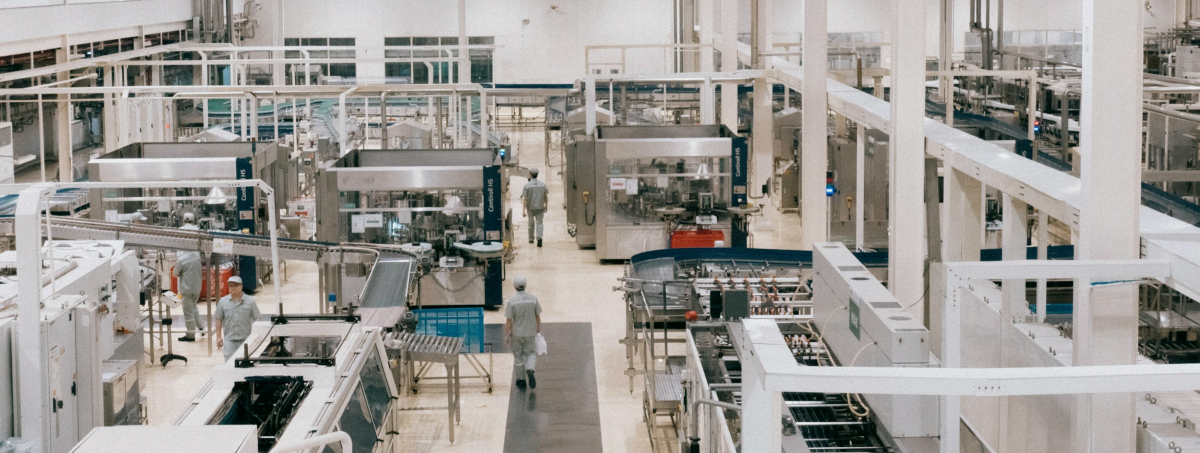
The global industrial coatings market is on a strong growth trajectory, according to MarketsandMarkets’ latest research. Projected to reach USD 148.60 billion (approximately €136 billion) by 2031 from USD 120.93 billion (approximately €111 billion) in 2026, the market represents a 4.21% compound annual growth rate. For Ireland’s industrial manufacturing base, spanning pharmaceutical, food processing, and engineering sectors, this expansion creates direct commercial opportunity.
Three structural forces are driving this market and creating strategic value for manufacturing Ireland: the imperative to protect industrial assets and reduce maintenance costs, the accelerating shift toward sustainable and low-VOC coating technologies, and the emergence of high-performance epoxy formulations in compliance-intensive environments. Irish leaders who recognise coatings as a strategic operational input, and not merely a commodity, are best placed to capture this value.
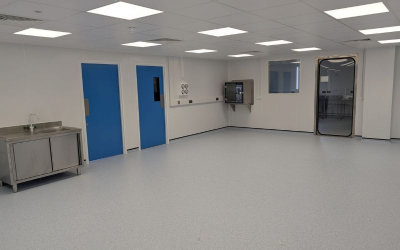
Epoxy resin is projected to be the fastest-growing coating type, driven by its superior adhesion, chemical resistance, and durability. In Ireland, over 80,500 workers are employed across 213 pharmaceutical and medical device manufacturing facilities, where the requirement for GMP-compliant epoxy-based coatings is substantial. Pharmaceutical cleanrooms, process equipment, and sterile manufacturing environments demand coatings capable of withstanding harsh conditions and rigorous regulatory scrutiny.
Sustainability is reshaping the coatings industry. The MarketsandMarkets report identifies the shift toward low-VOC, waterborne, and environmentally friendly formulations as a key growth driver, accelerated by tightening global environmental regulations. For Irish manufacturers operating under EU REACH and the national Climate Action Plan, this trend aligns manufacturing innovation with regulatory compliance, allowing firms to lower their environmental footprint and meet growing global customer ESG expectations.
Protective coatings held the third-largest end-use position in 2025, and their importance to Irish manufacturers continues to grow. Ireland’s commitment to advanced manufacturing across pharmaceutical, engineering, and food production depends on coated assets performing reliably in demanding environments. Reducing maintenance costs, extending equipment life cycles, and preventing material degradation are operational priorities for every manufacturing site, and the right coating strategy delivers measurable competitive returns.
Three priorities stand out for Irish manufacturing leaders. First, conduct structured coating audits to identify where advanced formulations can reduce maintenance costs and extend asset life. Second, integrate low-VOC and waterborne coatings into procurement specifications to stay ahead of EU environmental obligations and satisfy international ESG benchmarks. Third, engage coating technology suppliers to embed manufacturing excellence into facility design, maintenance planning, and capital investment decisions.
The industrial coatings market’s projected growth to USD 148.60 billion (approximately €136 billion) by 2031 confirms that protective and performance coatings are moving to the centre of industrial competitiveness. For Ireland’s pharmaceutical, food processing, and engineering manufacturers, a well-considered coatings strategy is not a maintenance overhead but a driver of asset performance, regulatory standing, operational efficiency, and long-term manufacturing excellence across a demanding global market.






.png)
